
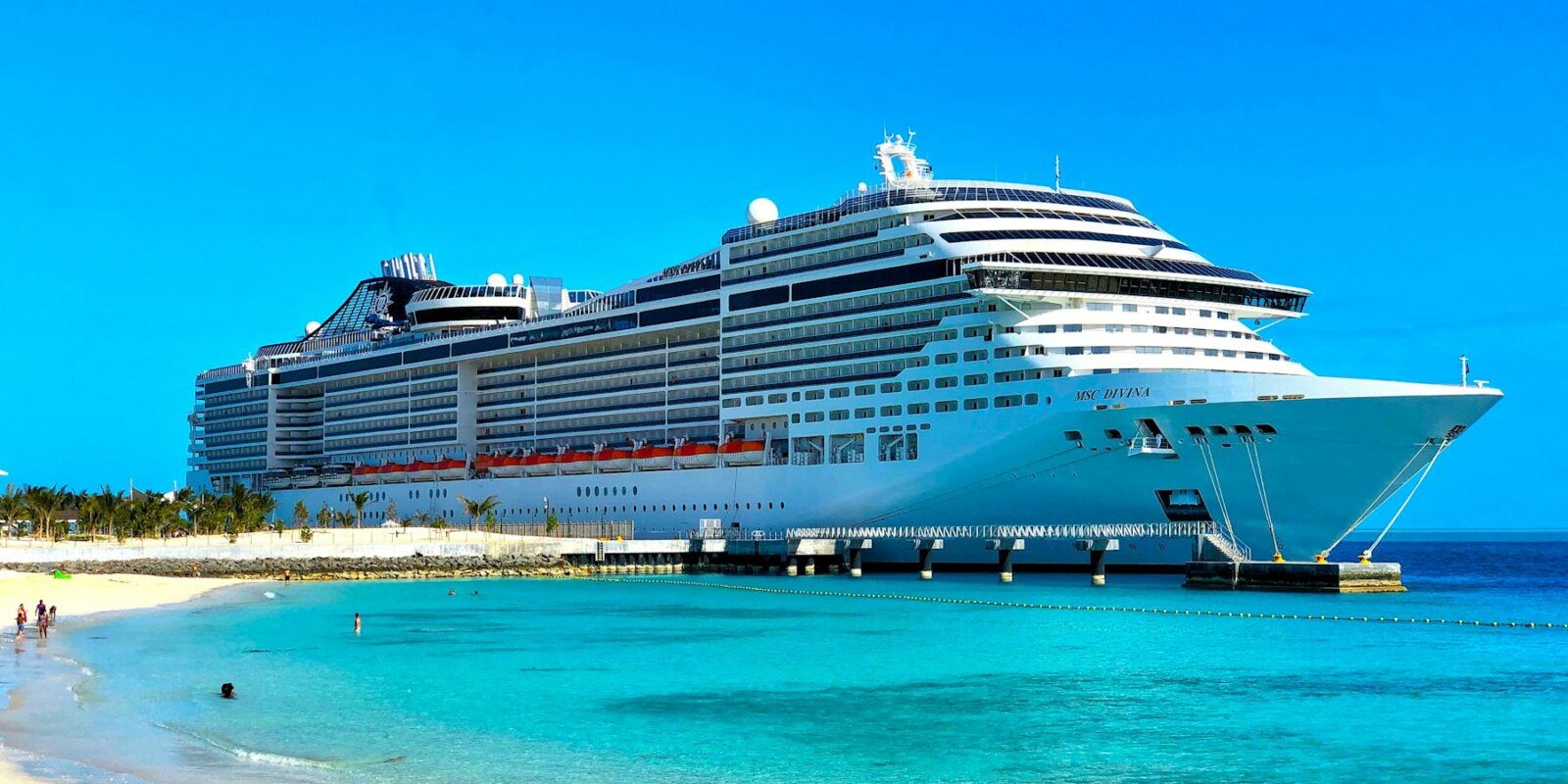
Every winter, some of the world’s largest cruise ships arrive in Dubai and make the city their home port for the season. From here, they sail to the capital of the UAE, to a wildlife island in the Gulf, to the modern skyline of Doha, the ancient forts of Muscat, the fjord-like inlets of Musandam and the pearling heritage of Bahrain. In a single week, you can visit several countries, unpack only once, and wake up each morning in a new port, with all your meals, entertainment and accommodation included.
An Arabian Gulf cruise from Dubai is a wonderful way to see the region, whether you are a UAE resident looking for a relaxing holiday close to home or a visitor who wants to add a cruise to a Dubai trip. It suits couples, families, groups of friends and older travellers who want to see several destinations without the stress of flights and hotel changes.
This guide explains how Gulf cruises work: the cruise season, typical routes and ports of call, what to see in each port, cabin types, what is included, visas, prices, packing and practical tips.
Tip: Our Arabian Gulf cruise, 7 nights from Dubai visits the highlights of the region. For a shorter break, try the Dubai and Oman cruise, 4 nights.
When is the Arabian Gulf cruise season?
The cruise season in the Arabian Gulf runs from roughly November to March, with some ships arriving in October and staying until April. These are the cooler months, when the weather is warm and sunny, the sea is calm and temperatures are comfortable for sightseeing in port. During the hot summer months, most large cruise ships leave the region and sail to Europe or elsewhere.
| Month | Weather | Cruise availability |
|---|---|---|
| October | Warm, around 30°C to 35°C | Early season, limited sailings |
| November | Pleasant, around 28°C | Season in full swing |
| December | Mild, around 25°C | Peak season, festive sailings |
| January | Coolest, around 23°C | Peak season |
| February | Mild, around 25°C | Peak season |
| March | Warming, around 28°C | Late season |
| April | Warm, around 32°C | Final sailings |
Good to know: sailings over Christmas, New Year and school holidays are the most popular and sell out early. Book several months in advance for these dates.
Typical Arabian Gulf cruise routes
Most Gulf cruises from Dubai last three, four or seven nights. Routes vary by cruise line and season, but common itineraries include:
7-night Arabian Gulf cruise
A typical week-long cruise might visit:
| Day | Port |
|---|---|
| Day 1 | Dubai (embarkation) |
| Day 2 | Abu Dhabi, UAE |
| Day 3 | Sir Bani Yas Island, UAE |
| Day 4 | Doha, Qatar |
| Day 5 | Manama, Bahrain |
| Day 6 | At sea |
| Day 7 | Muscat or Khasab, Oman |
| Day 8 | Dubai (disembarkation) |
3- to 4-night cruises
Shorter cruises usually combine Dubai with Abu Dhabi and Sir Bani Yas Island, or with Muscat and Khasab in Oman. They are ideal for a long weekend or a first taste of cruising.
Repositioning and longer voyages
At the beginning and end of the season, ships sail between the Gulf and Europe or Asia, often through the Suez Canal or around India. These longer voyages can last two weeks or more and visit ports such as Salalah, Aqaba, Jeddah and Mediterranean cities. For something different, see our Red Sea cruise from Jeddah, 3 nights and Mediterranean cruise, 7 nights.
Ports of call and what to see
Dubai
Most Gulf cruises begin and end in Dubai, at the Mina Rashid cruise terminal near the old town or at Dubai Harbour near Dubai Marina. Many travellers add a few days in Dubai before or after the cruise. Do not miss Burj Khalifa At the Top, an evening desert safari and a walk through the old souks. Our 4-day Dubai itinerary is perfect for a pre- or post-cruise stay.
Abu Dhabi
The UAE capital is home to the magnificent Sheikh Zayed Grand Mosque, the Louvre Abu Dhabi, the presidential palace Qasr Al Watan, and Yas Island with Ferrari World. Most ships dock at the cruise terminal in Mina Zayed, a short drive from the city centre. Read our Sheikh Zayed Grand Mosque visitor guide and our Abu Dhabi day trip guide to plan your day ashore.
Sir Bani Yas Island
Sir Bani Yas, off the coast of Abu Dhabi’s western region, is part nature reserve, part beach resort. The Arabian Wildlife Park is home to Arabian oryx, gazelles, giraffes and cheetahs, which you can see on a nature drive. Cruise lines often have a private beach area here, making it a relaxing day of swimming and sunbathing.
Doha, Qatar
Qatar’s capital combines modern architecture with traditional heritage. Highlights include the Museum of Islamic Art, designed by I. M. Pei, the National Museum of Qatar shaped like a desert rose, Souq Waqif with its spice stalls and falcon shops, the Corniche promenade and the artificial island of The Pearl.
Manama, Bahrain
Bahrain has a long history as a trading and pearling centre. Visit the Bahrain Fort, a UNESCO World Heritage Site, the Bahrain National Museum, the Al Fateh Grand Mosque and the old souq. The Pearling Path in Muharraq, also a UNESCO site, tells the story of the island’s pearl-diving past.
Muscat, Oman
Muscat, the capital of Oman, is one of the most beautiful ports in the region, with white buildings set against rugged mountains. Highlights include the Sultan Qaboos Grand Mosque, the Royal Opera House, the Mutrah Souq and Corniche, and the old forts of Al Jalali and Al Mirani overlooking the harbour.
Khasab, Oman
Khasab, on the Musandam peninsula, is known as the Norway of Arabia because of its dramatic fjords, called khors, where steep mountains rise straight from the sea. Take a dhow cruise through the fjords to spot dolphins and visit Telegraph Island, or go snorkelling in the clear water.
How to choose the right cruise
With several cruise lines operating in the Gulf each winter, choosing the right one can feel overwhelming. Think about these factors:
- Who is travelling: families may prefer large ships with water parks and kids’ clubs, while couples might enjoy smaller, quieter ships with more refined dining.
- Length: a 3- or 4-night cruise is a good introduction; a 7-night cruise lets you see the whole region at a relaxed pace.
- Itinerary: compare the ports. Some cruises focus on the UAE and Oman, others include Qatar and Bahrain.
- Dates: sailings outside school holidays are cheaper and quieter.
- Budget: compare the total cost, including excursions, drinks, Wi-Fi and gratuities, not just the fare.
Our team can compare the options for your dates and budget and recommend the cruise that suits you best.
Visas for a Gulf cruise
Because a Gulf cruise visits several countries, visas are an important part of planning.
- UAE: you need permission to enter the UAE for embarkation. Many nationalities receive a visa on arrival; others need a UAE visa. Cruise passengers may be eligible for special multiple-entry arrangements. Read our UAE tourist visa guide or apply for a UAE 30-day tourist visa with us.
- Oman: many nationalities can enter visa-free or obtain an e-visa. We can help with an Oman tourist e-visa.
- Qatar and Bahrain: many nationalities can enter visa-free or obtain a visa on arrival or an e-visa.
Important: visa requirements depend on your nationality and the countries on your itinerary. Your cruise line will provide guidance, but you are responsible for having the correct visas. Check the requirements well before you sail, and contact us if you need help.
Choosing a cabin
| Cabin type | Description | Best for |
|---|---|---|
| Interior | No window, the most affordable | Budget travellers who spend little time in the cabin |
| Ocean view | A window or porthole | Natural light at a moderate price |
| Balcony | A private balcony | Couples and anyone who wants sea views in private |
| Suite | Larger space, extra perks | Families, special occasions, luxury |
For a Gulf cruise in winter, a balcony cabin is a lovely choice, as the weather is perfect for sitting outside with a coffee as the ship sails into port.
What is included in a cruise?
Cruise fares usually include:
- Your cabin for the length of the cruise
- Meals in the main dining rooms and buffet
- Entertainment, including shows, music and activities
- Use of pools, gyms and most facilities on board
- Children’s clubs on family-friendly ships
Usually not included:
- Shore excursions
- Speciality restaurants
- Drinks packages
- Wi-Fi
- Spa treatments
- Gratuities or service charges
- Visas and travel insurance
How much does a Gulf cruise cost?
Prices depend on the cruise line, the ship, the time of year, the length of the cruise and the cabin type. As a guide, our Arabian Gulf cruise, 7 nights from Dubai starts from AED 2,999 per person, and the Dubai and Oman cruise, 4 nights starts from AED 1,899 per person. Balcony cabins and suites cost more, and peak dates such as New Year are higher.
Tip: Children sailing in the same cabin as two adults often travel at a reduced fare, making cruises excellent value for families.
Money on board and in port
Cruise ships operate a cashless system on board. When you check in, your cruise card is linked to a credit card or a cash deposit, and you use it for any purchases, such as drinks, speciality dining, spa treatments and excursions. At the end of the cruise, you receive a statement of your account. Check it during the cruise using the ship’s app or at guest services to avoid surprises.
In port, you will need local currency or a card. The UAE dirham, Qatari riyal, Bahraini dinar and Omani rial are the local currencies. Cards are widely accepted in malls and larger shops, but carry some cash for souks, taxis and small purchases. Some ships offer currency exchange at guest services, though rates are usually better ashore.
Staying connected
Wi-Fi on cruise ships is available but is usually sold in packages and can be slower than on land. In port, you can often connect to local networks. If you are a UAE resident, check whether your mobile plan includes roaming in Qatar, Bahrain and Oman. Be careful to switch off mobile data at sea, as ships use maritime networks, which can be very expensive.
Shore excursions
Shore excursions are organised tours in each port. You can book them through the cruise line, through a local tour company, or explore independently. Popular excursions include a city tour of Abu Dhabi with the Grand Mosque, a desert safari in Qatar, a dhow trip in the Musandam fjords and a visit to the old souks of Muscat.
When exploring independently, always keep track of time and return to the ship well before the all-aboard time. If you miss the ship, you will be responsible for reaching the next port at your own expense.
Embarkation in Dubai: step by step
- Arrive at the cruise terminal at your scheduled check-in time. Book a private car with driver or an airport transfer to the port.
- Drop off your luggage with the porters; it will be delivered to your cabin.
- Check in with your passport, visas and cruise documents.
- Pass through security and immigration.
- Board the ship, explore, have lunch and attend the safety drill.
- Sail away in the late afternoon or evening, watching the Dubai skyline from the deck.
If you are flying into Dubai on the day of embarkation, allow plenty of time. We recommend arriving at least one day before your cruise. Book a Dubai airport pickup and stay a night or two in the city.
What to pack for a Gulf cruise
- Light summer clothing for days in port
- Swimwear for the pools and beach days
- A light jacket or sweater for evenings on deck and air-conditioned areas
- Smart outfits for formal or elegant nights on board
- Modest clothing covering shoulders and knees, plus a headscarf for women, for mosque visits
- Comfortable walking shoes
- Sun protection: hat, sunglasses and sunscreen
- Passport, visas and printed documents
- Seasickness remedies, although the Gulf is usually calm
Tips for a great Gulf cruise
- Book early for the best cabin choice, especially for peak dates.
- Arrive in Dubai a day early to avoid stress from flight delays.
- Check visa requirements for every country on the itinerary.
- Plan shore days in advance, and know the all-aboard time.
- Respect local customs in each port, especially dress codes in religious sites.
- Use the ship’s app to plan activities and reserve shows and restaurants.
- Stay hydrated during port days; the sun is strong even in winter.
Life on board: a typical day
A cruise day follows a relaxed rhythm. On a port day, you might wake up to the view of a new skyline from your balcony, enjoy breakfast on deck, and head ashore after the ship has been cleared by local authorities, usually around 8 or 9 AM. You spend the day exploring the city, on an excursion or at the beach, then return to the ship in the afternoon. Before dinner, there is time for a swim in the pool, a spa treatment or a drink on deck as the ship sails away at sunset. Evenings bring dinner in one of the restaurants, a theatre show, live music, a game show or a movie under the stars on the pool deck.
On a sea day, there is no port to visit, and the ship becomes your resort. Sleep late, join a fitness class, try the water slides, attend a cooking demonstration or a talk about the next port, play games, read by the pool or simply watch the sea. Many cruisers say sea days are their favourite part of the trip.
Cruising with children
Modern cruise ships are designed with families in mind. Kids’ clubs, divided by age group, run supervised activities from morning to evening, including games, crafts, sports, science experiments and themed parties. Teenagers often have their own lounges and activities. Many ships have water parks with slides and splash zones, mini-golf, climbing walls and family shows. Family cabins and connecting cabins give everyone space.
Babysitting, children’s menus and early dining times are usually available, and the fact that you unpack only once makes a cruise much easier than a multi-country trip by plane. Check the minimum age requirements, as infants must usually be at least six months old to sail.
Food on board
Food is one of the highlights of a cruise. Main dining rooms serve multi-course dinners with a different menu each night, while the buffet offers a wide choice for breakfast, lunch and dinner. Speciality restaurants, at an extra cost, may serve steak, seafood, Italian, Asian or other cuisines.
On Gulf cruises, many ships offer a selection of halal-friendly options, and vegetarian dishes are always available. If you have dietary requirements, such as halal meals, allergies or medical diets, tell the cruise line when you book and confirm with the restaurant team on your first day on board.
Accessibility on cruises
Cruise ships are generally well suited to travellers with reduced mobility. Accessible cabins with wider doors and roll-in showers are available on most ships, though they are limited in number and should be booked early. Lifts serve all public decks. In port, accessibility varies, so check excursion details in advance or ask for adapted tours. Wheelchair users should confirm whether a port uses tenders (small boats) to bring passengers ashore, as boarding a tender can be difficult.
Combining a cruise with a Dubai holiday
Most cruises start and end in Dubai, so it makes sense to add a few days in the city. A popular plan is to arrive two or three days before the cruise, see the highlights and recover from your flight, then relax on board. Our Dubai 4 nights holiday package can be combined with a cruise, and our team can arrange your transfers between the airport, your hotel and the cruise terminal. For more ideas, read our guide to things to do in Dubai in winter, which is the same season as the Gulf cruises.
Is a Gulf cruise right for you?
A Gulf cruise is ideal if you want to see several countries in one trip, prefer to unpack only once, travel with family members of different ages, or want a relaxing holiday with entertainment and dining included. If you prefer independent exploration or longer time in each place, a land-based trip may suit you better. Many travellers combine both: a week on a cruise followed by a few days in Dubai with tours and attractions.
See all cruise packages
Frequently asked questions
When is the best time for an Arabian Gulf cruise?
The cruise season runs from about November to March, when the weather is warm and pleasant. December to February is peak season.
Where do cruises depart from in Dubai?
Most cruises depart from the Mina Rashid cruise terminal or Dubai Harbour. Your cruise documents will confirm the terminal.
Do I need visas for a Gulf cruise?
You may need visas for the UAE and some ports of call, depending on your nationality. Check the requirements for every country on your itinerary before sailing.
Are Gulf cruises suitable for families?
Yes. Many cruise ships have children’s clubs, water parks, family cabins and activities for all ages, and children often sail at reduced fares.
What is included in the cruise price?
Your cabin, most meals, entertainment and use of the ship’s facilities are usually included. Excursions, speciality dining, drinks packages and Wi-Fi are usually extra.
Is the sea rough in the Arabian Gulf?
The Gulf is generally calm, especially in winter, so seasickness is less common than on many other routes.
What happens if I miss the ship in port?
The ship will not wait for passengers who return late from independent excursions. You would need to travel to the next port at your own expense. Excursions booked through the cruise line are guaranteed to return in time, or the ship will wait.
Can I join a Gulf cruise if I live in the UAE?
Yes. Many UAE residents take Gulf cruises as a short holiday. Check the visa rules for the other countries on the itinerary based on your nationality.