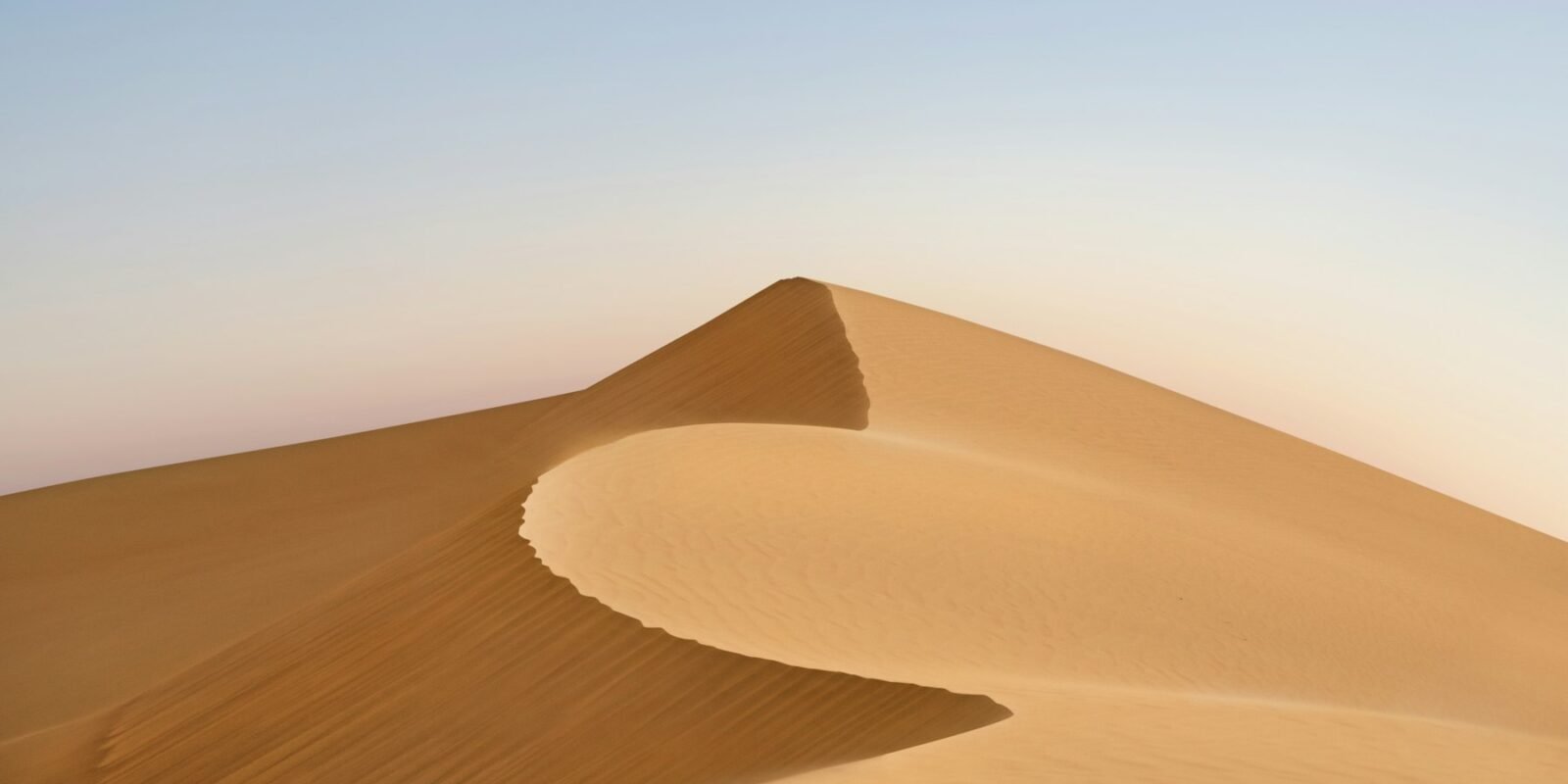
A desert safari is on almost every Dubai bucket list, but the same trip can feel completely different depending on when you go. In January, an evening at a desert camp is cool and comfortable, and you may want a jacket after sunset. In August, the sand is hot enough that you will be glad of air-conditioning between stops. Neither is “wrong”, but knowing what to expect helps you pick the right safari, the right time of day and the right clothes.
This guide covers the best time to do a desert safari in Dubai in detail: the best season, a month-by-month guide, the best time of day for each type of safari, how Ramadan and public holidays affect your trip, and practical tips for hot and cool weather. Our team in Al Satwa arranges safaris all year round, so the advice below comes from what our guests actually experience.
Tip: Short on time? From October to April, book the Evening Desert Safari with BBQ Dinner. From May to September, choose the Morning Desert Safari or an evening safari with a later pickup.
The short answer
The best time for a desert safari in Dubai is between October and April, and the best time of day for most people is the late afternoon into evening. This combination gives you warm but comfortable temperatures, a beautiful sunset over the dunes and a pleasant evening at camp for dinner and the shows.
If you are visiting in the hotter months, safaris still run every day. The difference is that you will want to choose a morning trip or an evening safari timed to reach the dunes after the strongest heat, and you should plan for higher temperatures during the dune drive.
Dubai’s desert seasons explained
Dubai has two broad seasons: a long, hot summer and a short, mild winter. The desert follows the same pattern but with bigger swings than the city. Days in the dunes can be slightly hotter than on the coast, and nights can be noticeably cooler, especially in winter, because sand loses heat quickly after sunset.
Winter: November to March
Winter is peak safari season. Daytime temperatures are typically in the low to mid twenties Celsius, the sky is usually clear, and evenings are cool. In December and January, desert nights can drop into the low teens, so a light jacket or sweater is a good idea for the camp.
This is when the desert is at its most comfortable and also its busiest. Camps fill up around weekends, school holidays, Christmas and New Year, so it is wise to book a few days ahead.
Shoulder months: October and April
October and April are excellent months for a safari. The weather is warm rather than hot, the evenings are pleasant for sitting outside, and the camps are a little less crowded than in mid-winter. Sunsets in these months are often especially colourful.
Summer: May to September
From May the temperature climbs quickly, and July and August are the hottest months of the year. Afternoons in the desert can be well above 40°C. Humidity also rises near the coast, though the inland desert is drier.
Safaris continue throughout the summer, and many guests enjoy them, but you need to plan around the heat. Evening safaris are scheduled so you reach the dunes as the sun lowers, and the camp evening is warm but bearable. Morning safaris start early to avoid the midday sun. The upside is fewer crowds and often more space at camp.
Month-by-month guide
The table below gives a practical summary of what to expect in each month. Temperatures are general daytime guides for the desert and vary from year to year.
| Month | Desert daytime feel | Evening at camp | Our recommendation |
|---|---|---|---|
| January | Mild, pleasant | Cool, bring a jacket | Any safari; overnight is lovely |
| February | Mild to warm | Cool | Any safari; great for balloons |
| March | Warm | Pleasant | Evening or overnight |
| April | Warm to hot | Warm | Evening; book morning if sensitive to heat |
| May | Hot | Warm | Evening or morning |
| June | Very hot | Warm | Morning or evening |
| July | Very hot, hottest month | Hot | Morning or evening, stay hydrated |
| August | Very hot | Hot | Morning or evening |
| September | Hot | Warm | Evening; heat easing late in month |
| October | Warm | Pleasant | Any safari; excellent month |
| November | Warm to mild | Pleasant to cool | Any safari; busy season starts |
| December | Mild | Cool, bring a jacket | Any safari; book ahead for holidays |
Best time of day for each type of safari
The season matters, but the time of day shapes the whole experience. Here is how each safari compares.
Evening safari: best all-rounder
Pickup is usually between 3:00 and 3:30 PM, and you return around 9:00 PM. You get dune bashing in the late afternoon, a sunset stop on a high dune, camp activities in the golden hour and dinner with shows under the stars. For most visitors, this is the best time of day, especially between October and April. See the Evening Desert Safari with BBQ Dinner or the quieter Premium Desert Safari at a Private Camp.
Morning safari: best in summer and for photos
Morning safaris start around 8:00 AM and finish by late morning. The light is soft, the air is cooler, and the dunes have often been smoothed overnight by the wind, which makes for clean, beautiful photographs. In summer this is the most comfortable option. It is also good if you want to keep your evening free for a Dubai Marina dhow cruise or dinner in the city. Book the Morning Desert Safari with Sandboarding.
Overnight safari: best for stars and sunrise
An overnight stay gives you both the sunset and the sunrise, plus a night sky with far more stars than you will ever see in the city. Winter is the ideal season, when the nights are cool and comfortable for sleeping. In summer, overnight camps are warm and most guests prefer an evening trip. See the Overnight Desert Safari Camp.
Hot air balloon: best at sunrise in the cooler months
Balloon flights operate at sunrise because the air is calm and cool. The flying season is longest in the cooler months, roughly September to May, and flights can be cancelled at short notice if the wind is too strong. If a balloon ride is important to you, book early in your trip so there is time to reschedule if needed. Read our hot air balloon guide or book the Hot Air Balloon Ride over the Desert.
Quad bikes and buggies: best early or late
Driving a quad or buggy is physical and hot work in the middle of the day. Early morning and late afternoon sessions are far more comfortable, especially from May to September. See Dune Buggy Desert Adventure and Desert Safari with Quad Biking.
See every desert safari and today's prices
Sunset times in Dubai
Because the evening safari is built around the sunset stop, it helps to know roughly when the sun goes down. In Dubai, sunset is earliest in late November and December, at around 5:30 PM, and latest in June, at around 7:15 PM. Safari pickup times shift through the year to match, which is why your confirmed pickup time might be a little earlier or later than the time on the tour page. Our team always confirms the exact time on WhatsApp the evening before.
Ramadan, Eid and public holidays
Safaris operate during Ramadan, but some things change. Dinner is often timed around Iftar, the meal that breaks the fast at sunset, and some entertainment, such as belly dancing, is usually not performed during the holy month. Eating and drinking in public during daylight hours is restricted for everyone, so on a morning safari during Ramadan you should be discreet with water and snacks.
Eid holidays, UAE National Day in early December, Christmas and New Year are among the busiest times of the year. Prices can be higher and camps fill up quickly, so book at least a week ahead if your dates fall in these periods.
Good to know: If you are travelling in a peak week, consider a premium or private-camp safari. Large shared camps can be crowded on holidays, while smaller camps stay relaxed.
How the desert changes through the year
The weather is the main difference between seasons, but it is not the only one. The desert itself looks and feels different depending on when you visit.
Colours and light
In winter the sun sits lower in the sky, so the light stays warm and golden for longer in the late afternoon. Shadows across the dunes are long and sharp, which makes for striking photographs. In summer the sun is higher and the light is harsher in the middle of the day, but the last 30 minutes before sunset are still beautiful, and the haze in the air often turns the sky deep orange and pink.
After rare winter rain, the desert can surprise you. Small green shoots appear in the hollows between the dunes, and the sand takes on a deeper red colour for a few days. If you visit just after a rainy spell, it is worth bringing your camera.
Wildlife
The desert is not empty. In the cooler months you are more likely to spot wildlife, especially in the early morning and late afternoon when animals are active. In and around the conservation areas, you may see Arabian oryx, the national animal of the UAE, and graceful sand gazelles. Desert foxes, hares, lizards and birds such as larks and hoopoes also live here, though they tend to keep their distance from vehicles. In summer most animals rest in the shade during the day, so morning safaris give you the best chance of a sighting.
Sand conditions
Wind shapes the dunes every night. After a breezy night, the sand is smooth and rippled, perfect for photos and sandboarding. In summer the surface sand gets extremely hot by midday, so if you want to walk barefoot or sandboard, early morning or after sunset is far more comfortable. In winter you can usually walk on the sand at any time of day.
A photographer’s guide to timing
If photos matter to you, timing is everything. Here is what each slot offers.
- Sunrise (morning safari or balloon): soft pink and gold light, smooth untouched dunes, mist in the low areas on some winter mornings. The best time for clean landscape shots and silhouettes of camels on the ridges.
- Mid-morning: bright, clear light that works well for group photos and action shots of sandboarding.
- Late afternoon: dramatic shadows and contrast as the sun lowers. The best time for shots of 4x4s climbing dunes with a plume of sand behind them.
- Golden hour and sunset: the classic Dubai desert photo, with deep orange sand and a glowing sky. Silhouettes against the sunset are almost guaranteed to be good.
- Blue hour and night: the camp lights, fire show and, on overnight safaris, the stars. A phone with a night mode or a camera on a small tripod gives the best results.
Keep your camera or phone in a zip bag between shots. Fine sand gets everywhere, especially during dune bashing, and it can scratch lenses and get into ports.
A sample day for each season
To make planning easier, here is how we would build a desert day in winter and in summer.
A winter desert day (November to March)
Spend the morning in the city with a half-day Dubai city tour or a visit to the Dubai Frame. Have a light lunch, then get picked up at around 3:00 PM for the evening safari. Enjoy the sunset at around 5:30 to 6:00 PM, dinner and shows at camp, and be back at your hotel by about 9:00 PM. Bring a jacket for the evening.
A summer desert day (May to September)
Start early with a morning safari at around 8:00 AM, while the air is still cool. Back in the city by noon, spend the hot afternoon indoors: the Dubai Aquarium, Ski Dubai or IMG Worlds of Adventure are all air-conditioned. In the evening, enjoy the sea breeze on a Dubai Marina dhow cruise. Our guide to things to do in Dubai in summer has many more indoor ideas.
Weather risks: sandstorms, rain and fog
Dubai’s weather is mostly predictable, but a few conditions can affect a safari.
- Sand and dust storms are most common in spring and early summer. Light dust only reduces visibility, but strong winds can lead to a safari being cancelled for safety.
- Rain is rare and usually falls in the winter months. Heavy rain can close desert roads for a short time.
- Morning fog appears on some winter mornings and can delay balloon flights.
If a safari is cancelled for weather or safety reasons, you can choose a new date or a full refund. Our booking terms explain this in full.
What to wear in each season
October to April
Light, comfortable clothing during the day, with a light jacket, sweater or shawl for the evening. In December and January, the desert can feel genuinely cold after dark, especially at an overnight camp. Closed shoes or sandals are both fine.
May to September
Loose, breathable cotton or linen in light colours, a cap or scarf, sunglasses and high-factor sunscreen. Avoid dark synthetic fabrics, which trap heat. Drink plenty of water before and during the trip; water and soft drinks are included on our safaris.
Heat safety tips for summer safaris
Summer safaris are safe and enjoyable with a little preparation:
- Drink water from the morning onwards, not only during the trip.
- Avoid heavy meals and alcohol before dune bashing.
- Choose a private vehicle if you want more control over stops and air-conditioning breaks.
- Take breaks in the shade at camp; most camps have shaded seating and fans.
- Tell your driver straight away if anyone feels dizzy or unwell.
Children, older guests and anyone with a medical condition should take extra care in the heat. Dune bashing is not recommended during pregnancy or for people with back or heart problems in any season.
Best day of the week
Weekends in the UAE fall on Saturday and Sunday, and many residents also take Friday afternoons off. Camps are generally busiest from Friday evening to Sunday. If your schedule is flexible, Monday to Thursday evenings are often quieter, with shorter queues for camel rides and better seats for the shows.
How far ahead should you book?
- November to March, weekdays: 2 to 3 days ahead is usually enough.
- November to March, weekends and holidays: book 5 to 7 days ahead.
- Christmas, New Year, Eid, National Day: book 1 to 2 weeks ahead.
- May to September: next-day bookings are usually possible.
- Hot air balloons: book as early as possible in any season.
Combining your safari with other plans
Because an evening safari takes up the afternoon and evening, it pairs well with a morning activity in the city. A popular plan is a half-day Dubai city tour in the morning, lunch at your hotel, then pickup for the safari at 3:00 PM. Another option is the Burj Khalifa or the Museum of the Future in the morning.
On a morning safari day, you have the whole evening free. Combine it with a Dubai Creek dhow cruise for a day that covers both the desert and old Dubai.
If you are planning a full trip, our Dubai 4 Nights Holiday Package already includes an evening safari at the best time of your stay, plus a city tour, a dhow dinner and Burj Khalifa tickets. You can also read our Dubai itinerary for first-time visitors for a day-by-day plan.
Our recommendation by traveller type
| You are… | Best time | Best safari |
|---|---|---|
| A first-time visitor in winter | Evening, Oct–Apr | Evening safari with BBQ dinner |
| Visiting in summer | Morning | Morning safari with sandboarding |
| A couple on a special trip | Overnight or sunrise | Overnight camp or hot air balloon |
| A family with young children | Evening, private vehicle | Evening safari with private 4×4 |
| An adventure seeker | Early morning or late afternoon | Dune buggy |
| Looking for a quieter evening | Weekday evening | Premium private camp |
How to book
Choose your safari on our desert safari page, pick your date and guests, and you get a booking reference immediately. We confirm your exact pickup time on WhatsApp, adjusted for that day’s sunset. For anything else, visit our help page or contact us.
For a full overview of every safari type and what each includes, read our complete Dubai desert safari guide.
Frequently asked questions
What is the best month for a desert safari in Dubai?
October to April are the best months, with warm days and comfortable evenings. December and January are the coolest, while October and April offer warm weather with slightly fewer crowds.
Is it too hot for a desert safari in summer?
No, but it is hot. Evening safaris are timed to reach the dunes as the heat eases, and morning safaris start early. Wear light clothing, use sunscreen and drink plenty of water.
Which is better, morning or evening desert safari?
Evening is better for most visitors because it includes the sunset, dinner and shows. Morning is better in summer, for photography, or if you want your evening free.
What time does the evening desert safari start?
Pickup is usually between 3:00 and 3:30 PM, adjusted through the year to match sunset. We confirm the exact time on WhatsApp the evening before.
Do desert safaris run during Ramadan?
Yes. Dinner timing may change to fit around Iftar, and some entertainment such as belly dancing is usually not performed during the holy month.
Is it cold in the desert at night?
In December and January it can feel cold after sunset, so bring a light jacket. From May to September the evenings are warm.
Can a safari be cancelled because of the weather?
Rarely, but strong winds, sandstorms or heavy rain can lead to a cancellation for safety. You can then choose a new date or a full refund.